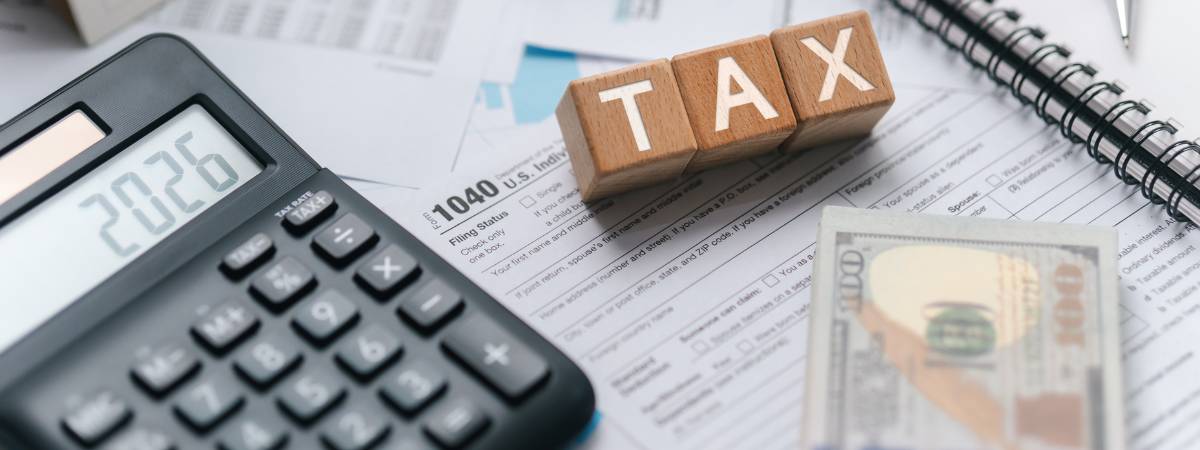
From April 2026, an important change will be introduced by HMRC. This change is called Making Tax Digital, often shortened to MTD. It will affect many sole traders and self-employed people across the UK.
Under this new system, tax will no longer be reported just once a year. Instead, updates will be sent every three months. For many people, this will feel new and unfamiliar. Some may even feel worried about how it will work.
This blog has been written to explain the changes in a clear and simple way. It also explains how Accountancy N Tax Services will support sole traders through every step of this change, so nothing feels confusing or stressful.
Why Making Tax Digital Is Being Introduced
The UK tax system has relied on paper records and yearly tax returns for a long time. HMRC believes this system causes mistakes and delays.
Making Tax Digital has been introduced to:
- Reduce errors in tax reporting
- Encourage better record-keeping
- Help people understand their tax position earlier
- Move the tax system into the digital age
Instead of looking at figures once a year, HMRC will now receive updates during the year. This helps problems to be spotted earlier and gives businesses more control over their finances.
Who Will Need to Follow Making Tax Digital in 2026
From 6 April 2026, Making Tax Digital for Income Tax will apply to:
- Sole traders
- Self-employed workers
- Some landlords
This will apply when total income from self-employment or rental property is above the HMRC income threshold.
If income is below the threshold, the rules will not apply yet. Some people may also be allowed an exemption due to age, disability, or lack of internet access. These exemptions must be approved by HMRC.
For many sole traders, it is expected that Making Tax Digital will become compulsory, so preparation is strongly advised.
What Quarterly Tax Updates Really Mean
Quarterly tax updates are simple digital reports sent to HMRC four times a year.
These updates include:
- How much money has been earned
- What business expenses have been paid
It is important to understand that:
- Quarterly updates are not tax bills
- No tax payment is made with each update
- They are only summaries, not final accounts
The purpose is to keep HMRC informed during the year, instead of waiting until the end.
Quarterly Update Periods and Deadlines
The tax year still runs from 6 April to 5 April, but it is split into four parts.
The quarterly periods are:
- 6 April to 5 July – update due by 7 August
- 6 July to 5 October – update due by 7 November
- 6 October to 5 January – update due by 7 February
- 6 January to 5 April – update due by 7 May
If a deadline is missed, penalty points may be added. Too many points can lead to fines. This is why staying organised is very important.
How This Will Change Life for Sole Traders
For many sole traders, tax has always been something dealt with once a year. Under Making Tax Digital, this will change.
From 2026:
- Records will need to be kept all year
- Income and expenses will need to be updated regularly
- Deadlines will occur every few months
- Digital systems will be required
At first, this may feel like extra work. However, when records are kept regularly, year-end stress is reduced. Many people also find it easier to budget when their numbers are up to date.
Digital Record-Keeping Explained Simply
Paper notes, notebooks, and loose receipts will no longer be enough on their own.
Digital records must show:
- Date of income
- Amount received
- Date of expenses
- Type of expense
These records must be kept using HMRC-approved software. Some spreadsheets may still be used, but only if they are correctly linked to approved software.
Digital record-keeping helps information stay organised and reduces mistakes.
Common Worries Sole Traders Have About MTD
Many concerns are often raised when Making Tax Digital is discussed.
Some common worries include:
- “I am not good with technology”
- “I do not have time to do this every quarter”
- “I am worried about making mistakes”
- “I do not understand the rules”
These worries are completely normal. This is why professional support is so important during the change.
How Accountancy N Tax Services Will Support You
At Accountancy N Tax Services, Making Tax Digital is handled in a calm and supportive way. Every client is guided step by step, so nothing feels rushed or confusing.
Helping You Understand If MTD Applies
First, it is checked whether Making Tax Digital applies to your situation. Your income level and business type are reviewed carefully.
Clear explanations are given, using simple language.
Setting Up the Right Digital Software
HMRC-approved accounting software is chosen based on your needs.
The setup is handled properly so that:
- Records are stored correctly
- HMRC connections work smoothly
- Quarterly updates can be submitted easily
No guesswork is left for the client.
Making Record-Keeping Easy
Clear guidance is given on how to record income and expenses.
Simple routines are suggested, such as weekly or monthly updates. This helps avoid last-minute pressure before deadlines.
Managing Quarterly Updates
Quarterly updates can be prepared and submitted on your behalf.
Deadlines are monitored carefully. Reminders are given in advance. Updates are checked for accuracy before submission.
This removes stress and helps avoid penalties.
Supporting You All Year Round
Support is not limited to one time of year.
Questions are answered throughout the year. Rule changes are explained clearly. Advice is given whenever something feels unclear.
This ongoing support helps clients feel confident and in control.
Completing the Final Year-End Declaration
At the end of the tax year, a final declaration is still required.
This is completed using the quarterly information already submitted. Any adjustments are handled carefully to ensure accuracy.
This makes the year-end process smoother and less stressful.
Common Mistakes That Are Helped to Avoid
With professional support, many common problems are avoided, such as:
- Missing quarterly deadlines
- Using software that does not meet HMRC rules
- Recording income incorrectly
- Forgetting allowable expenses
- Feeling unsure about what to submit
Problems are dealt with early, before they become costly.
How Sole Traders Can Prepare Now
Even though 2026 may feel far away, early preparation makes a big difference.
Helpful steps include:
- Checking current income levels
- Moving records into digital format
- Keeping receipts organised
- Learning basic software use
- Seeking professional advice early
Small steps taken now can save a lot of stress later.
Embracing Making Tax Digital 2026 with Clarity and Confidence
Making Tax Digital 2026 is not something to fear. It is a change that can help sole traders gain better control over their business and feel more confident about their tax position. Quarterly tax updates may sound like extra work, but with the right systems in place, they can make HMRC compliance clearer and more manageable.
When digital record-keeping is done properly, income and expenses are easier to track, mistakes are reduced, and last-minute stress is avoided. Instead of worrying once a year, tax becomes something that is understood throughout the year.
With professional support, Making Tax Digital becomes a smooth process rather than a burden. Clear guidance, reliable systems, and regular reviews help sole traders stay organised and prepared. By starting early and taking the right steps, confidence can be built well before April 2026, allowing businesses to focus on growth, stability, and peace of mind.
Expert Assistance
Accountancy N Tax Services in Wallington offers reliable and affordable support custom to your individual tax and business needs. With clear, practical guidance from an experienced team, you can be confident that your affairs are handled accurately, remain fully compliant, and make the most of any available tax reliefs.
For further information or to arrange a consultation, please contact us on 020 7112 9098, email info@accountancyntax.co.uk,
or visit www.accountancyntax.co.uk.