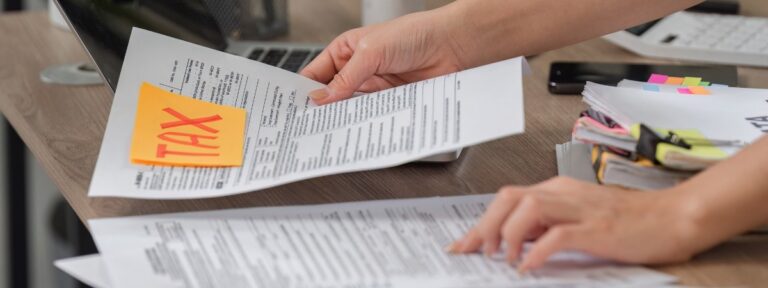
That January deadline can arrive quickly when you are also serving clients, managing a rental property, chasing invoices, or running payroll. Self assessment tax return help is not simply about entering figures into an HMRC form. It is about making sure the figures are complete, the tax position is understood, and no deadline is left until the last minute.
For sole traders, landlords, company directors, contractors, and freelancers, a Self Assessment return often brings together several moving parts: business income, property income, employment income, dividends, savings interest, pension contributions, and allowable expenses. A small omission can create an inaccurate return, while a rushed return can mean missed reliefs or an unexpected bill.
At Accountancy N Tax Services Ltd, we take care of the administration and provide clear advice along the way. You stay in control of your finances, without having to become an expert in HMRC rules.
Who needs to file a Self Assessment return?
You may need to submit a Self Assessment tax return if you are self-employed, receive rental income, are a company director, or have income that has not been fully taxed through PAYE. HMRC may also require a return where you have significant investment income, foreign income, capital gains, or untaxed income from more than one source.
The answer is not always obvious. For example, a director who takes only a small salary and dividends may need a return even if their company accountant prepares the company accounts. A landlord may need to report property income even where the property makes little profit after mortgage interest and repairs. A freelancer with a part-time employed role may need to combine both income sources on one return.
If HMRC has issued a notice to file, you must normally submit a return even if you believe no tax is due. Do not ignore it. Ask for help early so the position can be checked and, where appropriate, addressed with HMRC.
What good self assessment tax return help covers
A return should be built from reliable records, not estimates made from memory in January. Our support starts with understanding your income sources and checking what information is needed. We then organize the records, identify the relevant expenses and reliefs, prepare the return, explain the tax calculation, and submit it to HMRC once you approve it.
For a sole trader, that can mean reviewing sales, bank transactions, mileage, equipment, use-of-home costs, insurance, professional subscriptions, and subcontractor payments. For a landlord, it may include rent received, letting agent fees, repairs, service charges, insurance, and the different treatment of finance costs. For a limited company director, it may involve salary, dividends, benefits, pension contributions, and any other personal income.
The aim is simple: accurate reporting, sensible tax planning, and no unpleasant surprises. We do not treat a return as a one-off form-filling exercise if there are actions that can improve the following tax year.
Expenses need evidence, not assumptions
An expense must be incurred wholly and exclusively for your business to be allowable in full. That sounds straightforward, but mixed personal and business costs need particular care. Mobile phone bills, vehicle costs, home working, travel, and meals are common areas where assumptions lead to errors.
Keep invoices, receipts, mileage records, and bank statements as you go. Digital bookkeeping makes this far easier than gathering a carrier bag of paperwork at year-end. If an expense has a private element, only the business portion may be claimed. A clear record of how you calculated that portion helps protect you if HMRC asks questions later.
There are also choices to make. Some people use simplified expenses for mileage or working from home, while others claim actual costs. The best option depends on the facts, your records, and the type of work you do. It is worth checking rather than copying what a friend or online forum suggests.
Key Self Assessment deadlines to plan around
The UK tax year runs from April 6 to April 5. For the tax year ending April 5, an online Self Assessment return and any balancing payment are generally due by the following January 31.
Paper returns are normally due earlier, by October 31. If you are newly self-employed or otherwise need to register for Self Assessment, registration is generally required by October 5 after the end of the tax year in which you became liable. Missing these dates can lead to penalties and interest, even where you did not realize you needed to file.
Many taxpayers also need to make payments on account. These are advance payments toward the following year’s tax bill, usually due on January 31 and July 31. They often catch out new sole traders and landlords because the January payment can include tax for the previous year plus the first advance payment for the next one.
A practical example: if your first year of self-employed profit is strong, your January bill may be much larger than expected. Planning for this throughout the year, rather than reacting after submission, can make a real difference to cash flow.
Making Tax Digital is changing how records are kept
Making Tax Digital for Income Tax begins from April 6, 2026, for many sole traders and landlords with qualifying income above £50,000. The threshold is based on gross qualifying income, not profit, which means it can affect landlords and businesses with relatively modest margins.
Those brought into the rules will need compatible software, digital records, and quarterly updates to HMRC, followed by an end-of-period process. This does not mean your tax bill will be paid every quarter, but it does mean records cannot be left untouched until the annual deadline.
This change is a good reason to put an accounting system in place now. QuickBooks Online and a consistent process for capturing income and expenses can reduce the pressure later. If you have property income, self-employment income, multiple businesses, or foreign property income, getting tailored advice is especially valuable because the reporting position can be more complex.
When to ask for help instead of filing alone
HMRC’s online system is useful for straightforward cases, but it does not tell you whether every figure you entered is correct or whether you have missed a claim. Filing yourself may be suitable when you have one simple income source, excellent records, and confidence in the rules. It becomes riskier when circumstances change.
Professional help is particularly worthwhile if you have started or stopped trading, bought or sold a property, have rental income, receive dividends, have overseas income, need to claim capital allowances, or have received an HMRC letter. It is also sensible to get support if you are filing late. A late return should still be made accurately and as quickly as possible, while the reasons for the delay and any penalty appeal options are considered.
The right accountant will not just send a number to pay. They should explain the calculation in plain language, tell you when payments are due, and give you a realistic view of what to set aside. Fixed-fee support can make that help predictable rather than something you avoid because you are worried about an open-ended bill.
A calmer way to manage your next return
Start by separating business and personal transactions where possible, keeping records up to date monthly, and putting money aside for tax as income comes in. These three habits remove much of the pressure that makes Self Assessment feel difficult.
Then arrange a no-obligation conversation before the deadline becomes urgent. Whether you are a taxi driver tracking mileage, a consultant receiving dividends, a tradesperson managing CIS deductions, or a landlord with several properties, the right support makes the process simple. You can focus on earning and growing, while your return, records, and HMRC deadlines are handled with care.